Best Propane Heater for Cabin Comfort and Efficiency
Choosing the right propane heater for a cabin means balancing heat output, safety features, fuel efficiency, and suitability for uninsulated or semi-insulated spaces. The following product selections focus on wall-mounted and portable options that provide even warmth in cabins, sunrooms, additions, and small oficinas. Each model emphasizes reliable ignition, safety protections, and clear heat control to keep living areas cozy during cold seasons.
| Product | BTU / Heat Type | Area Coverage | Key Safety Feature |
|---|---|---|---|
| Mr. Heater MHVFBF20LPT | Up to 20,000 BTU | Up to 700 sq. ft. | Oxygen Depletion Sensor (ODS) |
| Mr. Heater 30,000 BTU Vent Free | 30,000 BTU | Up to 1,000 sq. ft. | Multiple burner tiles for radiant heat |
| Dyna-Glo IR30PMDG-1 | Up to 30,000 BTU | Up to 1,000 sq. ft. | Infrared radiant heat |
| Mr. Heater Portable Buddy MH9BX | 4,000–9,000 BTU | Up to 225 sq. ft. | Tip-over safety switch (enhanced) |
| VEVOR 18,000 BTU Propane Heater | 6,000–18,000 BTU | Up to 450 sq. ft. | Low oxygen, tip-over, flameout protections |
These selections provide a range of installation types—from wall-mounted units to portable, room-to-room options—so you can compare direct heat output, coverage, and safety features for cabin living spaces.
Mr. Heater MHVFBF20LPT 20,000 BTU Blue Flame Vent Free Heater
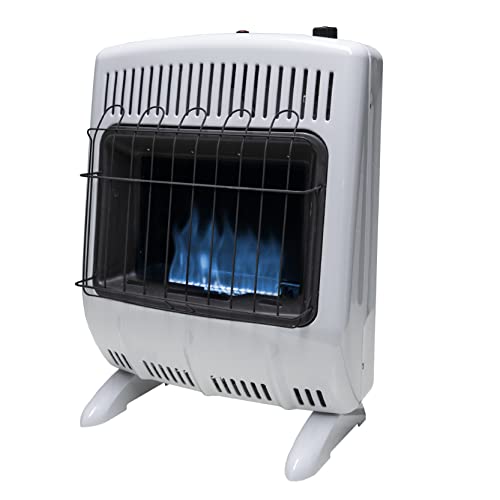
This blue flame vent-free heater delivers up to 20,000 BTUs and is designed for reliable performance in cabins, sunrooms, and additions. It can warm spaces up to about 700 square feet and performs well at elevations up to 4,500 feet. A thermostat provides precise temperature control, while a battery-powered electronic ignition offers convenient startup. Fuel consumption sits around 0.926 pounds per hour, making it relatively efficient for a room-focused unit. An Oxygen Depletion Sensor (ODS) enhances safety by shutting off if oxygen levels drop too low.
Mr. Heater 30,000 BTU Vent Free Radiant Heater

This high-efficiency radiant heater provides 30,000 BTU and is designed to heat spaces up to 1,000 square feet. Its infrared technology warms occupants and objects directly, creating sun-like warmth. The unit is engineered for fuel efficiency, consuming about 1.389 pounds per hour. A minimum 20-pound LP cylinder is recommended for optimal performance, ensuring longer runtimes in cabins. The heater uses multiple burner tiles to maximize radiant output for consistent comfort in cold rooms and additions.
Dyna-Glo IR30PMDG-1 30,000 BTU Infrared Vent Free Heater

This 30,000 BTU infrared wall heater heats objects first, offering a fast warm-up similar to sunlight. It provides a heat range of 6,000 to 30,000 BTU per hour and can cover close to 1,000 square feet. It uses liquid propane and emphasizes infrared warmth, which is effective for cabins with variable insulation. The model is positioned as a reliable option for immediate, comfortable heat in living areas, cabins, and sunrooms during winter months.
Mr. Heater Portable Buddy MH9BX
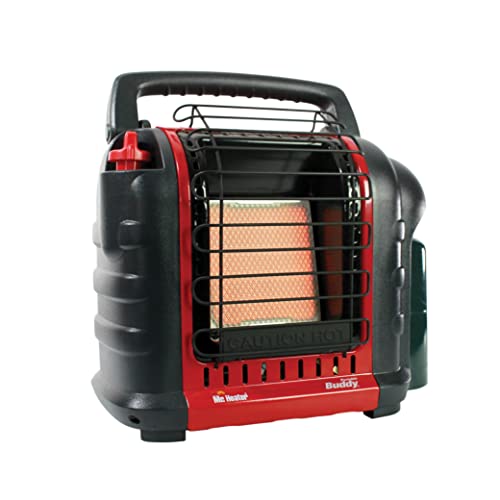
The Portable Buddy offers 4,000 to 9,000 BTU of radiant heat and is suitable for smaller cabins or focused spaces up to about 225 square feet. It features enhanced tip-over safety, a durable Piezo igniter, and a simple startup process—no matches required. This model is designed for portability and quick warmth in cabins, workshops, or patios, where space or layout favors a compact heater with reliable ignition and safety features.
VEVOR 18,000 BTU Propane Cabinet Heater

The VEVOR propane heater provides a flexible heat range from 6,000 to 18,000 BTU, with three heat settings for different seasons. It can warm spaces up to 450 square feet and includes multiple safety defenses: low oxygen, tip-over, and flameout protections. The heater is built with a sturdy carbon steel body and aims for durable performance in workshops, garages, patios, or indoor-outdoor spaces. Three operational modes let users tailor warmth to the cabin environment, maximizing comfort and safety.
Buying Guide: Key Purchase Considerations
Heat output and space size: Match BTU ratings to your cabin’s square footage. For drafty or larger cabins, higher BTU units cover more space; for smaller rooms, compact heaters may suffice.
Ventilation and safety: Vent-free models still require good room ventilation. Look for Oxygen Depletion Sensors (ODS), tip-over protection, flame failure devices, and low-oxygen protections to minimize risk in enclosed spaces.
Heat type and comfort: Infrared radiant heaters warm objects and people directly, which can feel more comfortable in open layouts. Blue flame and standard radiant units provide broader air heat but may warm air more slowly.
Fuel efficiency and runtime: Consider consumption rates and recommended fuel cylinders. Units designed for longer runtimes help preserve fuel and maintain steady comfort in cabins without frequent refills.
Installation and portability: Wall-mounted options save floor space and are ideal for cabins. Portable units offer flexibility for seasonal use or multi-room warmth.
Maintenance and durability: Look for units with corrosion-resistant bodies and protective features suitable for humidity and varying cabin climates. Regular inspection of connections and regulators ensures long-term reliability.
Cost of operation and safety certifications: Evaluate initial cost against expected energy use. Certifications and third-party safety protections help confirm compliance with safety standards for indoor use.
In choosing a propane heater for a cabin, weigh the trade-offs between heat distribution, safety features, and practicality for your space. The selected models offer a spectrum of heat delivery methods—from radiant infrared to blue flame heat—and provide multiple safety protections to support reliable cabin comfort in cold months.