Best Rubber Paint for Walls: Top Waterproof Coatings for Home
Waterproof rubber coatings can protect walls from moisture, leaks, and mold. This guide highlights five dependable rubber-based wall coatings available on Amazon, detailing their key features and suitable applications. Readers will find options for basements, foundations, roofs, and interior walls, all designed to form flexible, durable membranes. The selections emphasize long-term adhesion, elasticity, and ease of application to help homeowners choose the right solution for their walls and ceilings.
| Product | Brand | Type | Best Use |
|---|---|---|---|
| Ames Block & Wall Liquid Rubber | AMES | Waterproof Coating | Basements, Foundations |
| Liquid Rubber Basement Sealant | Liquid Rubber | Crack Filler / Sealant | Basement Leaks |
| Tufinein Rubber Sealant | Tufinein | Multi-Surface Sealant | Roofs & Walls |
| EverBond Liquid Rubber Waterproof Sealant | EverBond | Rubber Paint | Roofs, Foundations |
| HSS Liquid Rubber White | Hanse Syntec Systems | MS Polymer Sealant | Roofs & Walls |
Ames Block & Wall Liquid Rubber Coating
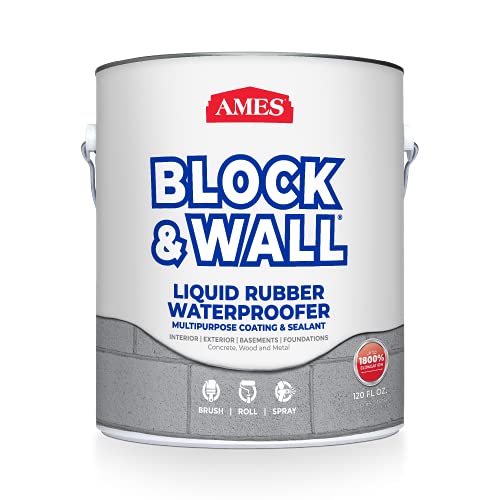
Ames Block & Wall Liquid Rubber is a white, water-based coating designed for concrete walls and foundations. It provides a flexible seal that helps resist moisture intrusion and damp environments. The product is manufactured in the USA and weighs around 9.25 pounds per gallon, making it suitable for larger projects. Its white color can be used for bright, reflective indoor walls or as a sealant under finish coats. While formulated for concrete and basement use, it can be applied to other masonry substrates when proper surface preparation is performed.
Liquid Rubber Basement Sealant

Liquid Rubber Basement and Foundation Repair Sealant offers a permanent waterproof membrane with high elongation, designed for basement waterproofing and foundation repairs. It works as a flexible crack filler and is compatible with self-leveling concrete. The product emphasizes forming a robust waterproof barrier that remains effective through temperature changes and moisture. It is suitable for indoor and outdoor use, including showers, planter boxes, and other structural surfaces prone to leaks. The high flexibility reduces the risk of new cracks forming over time.
Tufinein Rubber Sealant

Tufinein Rubber Liquid Waterproof Sealant is a neutral gray, quick-drying multi-surface coating that seals small gaps and cracks. It forms a flexible rubber membrane within hours and remains effective across a wide temperature range. The product is designed for roofs, gutters, concrete walls, and other exterior and interior surfaces. It adheres well to metal, wood, and concrete, providing long-lasting waterproof protection. Note that it is not intended for use on walking surfaces due to its tackiness when cured.
EverBond Liquid Rubber Waterproof Sealant

EverBond Rubber Paint offers a water-based waterproofing membrane suitable for flat and sloped roofs, foundations, sheds, and basements. It forms a thick membrane with significant coverage per gallon, making it efficient for larger surfaces. The coating is UV-stable and delivers high elongation (over 1000%), helping resist cracking under temperature fluctuations. It adheres to concrete, masonry, wood, and metal, providing a versatile option for both exterior and interior wall applications where a flexible, durable seal is needed.
HSS Liquid Rubber White MS Polymer

HSS Liquid Rubber White uses MS-Polymer technology to deliver flexible, long-lasting waterproofing for roofs, cracks, and walls. It cures quickly and forms a waterproof coating that remains flexible and UV-resistant, suitable for outdoor and indoor repairs. Coverage is efficient for small to mid-size projects, and the product is designed to withstand harsh weather conditions without cracking or losing adhesion. It is particularly useful for patching leaks in roof lines, skylights, or wall joints where movement is expected.
Buying Guide
Key considerations when selecting a rubber paint or sealant for walls include surface compatibility, elasticity, cure time, and environmental exposure. For interior basements, choose products with strong moisture resistance and high adhesion to concrete or masonry. For exterior surfaces, prioritize UV stability and long-term flexibility to cope with weather cycles. The presence of a flexible membrane helps accommodate minor structural movements without cracking. Some products are better suited for crack filling, while others act as full-wall membranes or roof coatings. Always follow surface preparation steps—cleaning, drying, and priming as recommended—to maximize adhesion. Use the product’s recommended application thickness and number of coats to achieve the desired membrane strength. Consider selecting a sealant with compatible color options or a white base for reflective properties if used indoors with sunlight exposure. For large areas, evaluate the cost-per-square-foot and the maintenance interval to estimate long-term value. Safety notes include proper ventilation during application and adherence to manufacturer guidelines for surface temperature and curing time.
Comparative perspectives:
- Premium performance membranes (high elongation, strong adhesion) excel in basements and foundations where waterproofing and crack resistance are critical.
- Water-based formulas generally offer easier cleanup and lower odor, suitable for indoor projects but may require longer cure times in humid environments.
- MS-polymer and advanced rubber technologies provide durable, UV-resistant coatings ideal for exterior walls and rooflines but may have specific substrate requirements.
- Crack-filling capabilities vary; some products provide seamless membranes, while others are best used as sealants for joints and seams.
- Application tools vary; some coatings use rollers or brushes, while others come in buckets designed for trowel or spray methods.
When selecting, align the product’s technical specs with project needs: wall type, climate, exposure to moisture, and maintenance plans. Always verify compatibility with existing paints or coatings and ensure proper safety measures for indoor use, especially in enclosed spaces.